Carbon Credit Registry Platform








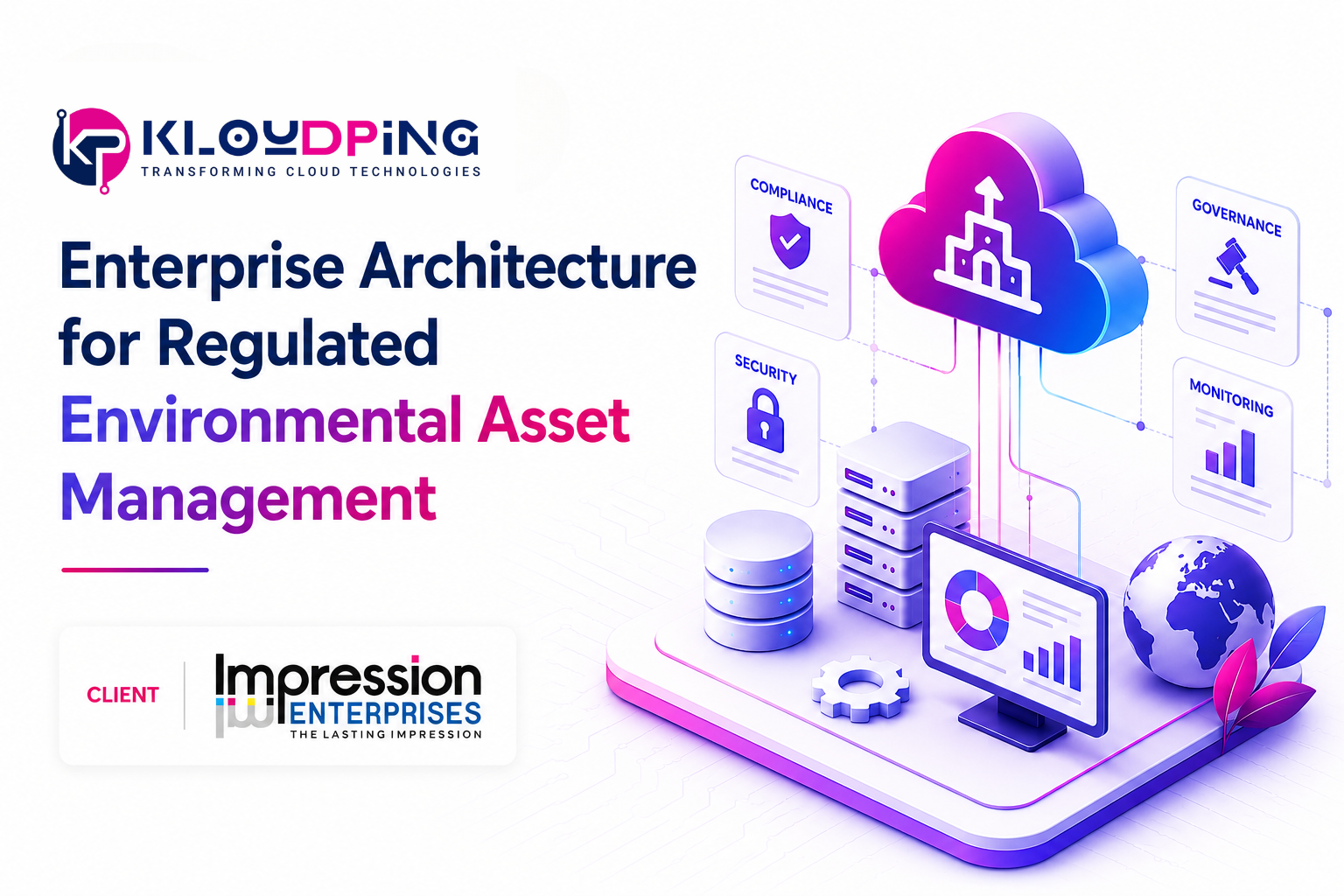
Carbon Credit Registry Platform solutions are essential for ensuring transparency, compliance, and trust in environmental asset markets. To establish absolute auditability and regulatory alignment, Kloudping engineered a secure, cloud-hosted Carbon Credit Registry Platform that automates the complete lifecycle of carbon emission credits. Built on a modern technology stack using React.js (Vite), Next.js, and PostgreSQL, the platform provides a highly responsive and scalable environment for carbon credit management. The system establishes a direct compliance framework verified by the National Council for Climate Change (NCCC), ensuring participating organizations operate within a secure, transparent, and fraud-resistant digital ecosystem.
Challenges in Carbon Credit Registry Management
♦ Unregulated and Fragmented Frameworks: Traditional climate asset tracking suffers from disjointed administration setups, leaving registries vulnerable to data tampering, double-counting, and unauthorized credit generation.
♦ Rigid Over-Reliance on Static Configurations: Standard registry platforms lack the flexibility to adapt to evolving compliance demands, forcing technical teams to perform manual database changes to add dynamic data fields for evolving project shapes.
♦ Opaque Transaction and Retirement Trails: Tracking how credits move from initial project proponents, through structural Line Ministry reviews, down to final cross-border or voluntary cancellation pipelines is often prone to administrative blockages and verification delays.
Carbon Credit Registry Platform Solution
-
Four-Tiered Matrix Access Architecture:
Engineered a secure role-based interaction network dividing ecosystem actions among Government Admins (system setup), Registry Admins (workflow approvals), Project Proponents (data submissions), and Line Ministries (technical validation). -
Dynamic Schema Field Injection & Alias Engine:
Created a code-free interface enabling system admins to append custom text, number, number ranges, or dropdown selection rules directly into Organization and Project settings without system restarts. -
Gated Document Upload & Review Lifecycle:
Instituted a sequential validation block preventing users from requesting credits until five foundational records (PDD/MADD, Validation, Monitoring, Verification, and Issuance Reports) are verified in order. -
Continuous ITMOS Serialization Engine:
Developed a strict programmatic tracking metric that auto-generates a unique, continuous ITMOS ID by concatenating Country codes, Batch sequences, Vintage Years, and zero-gap Serial ranges.
Benefits of a Carbon Credit Registry Platform
♦ Zero-Friction Continuous Ledger Transfers: Enabled organizations to execute immediate full or partial credit volume handoffs using sequential serial routing that adjusts real-time balances without manual intervention.
♦ Dual-Core Auditability via Specialized AEF Reporting: Streamlined regulatory oversights by exposing split Action Reports (granular historical transaction logs) and Holding Reports (active, verifiable inventory positions).
♦ Secure, Compliant Asset Retirement Operations: Provided ironclad validation rules managing international cross-border trades and localized voluntary cancellations, guaranteeing retired credits are instantly consumed from the trailing edge of available sequences.